
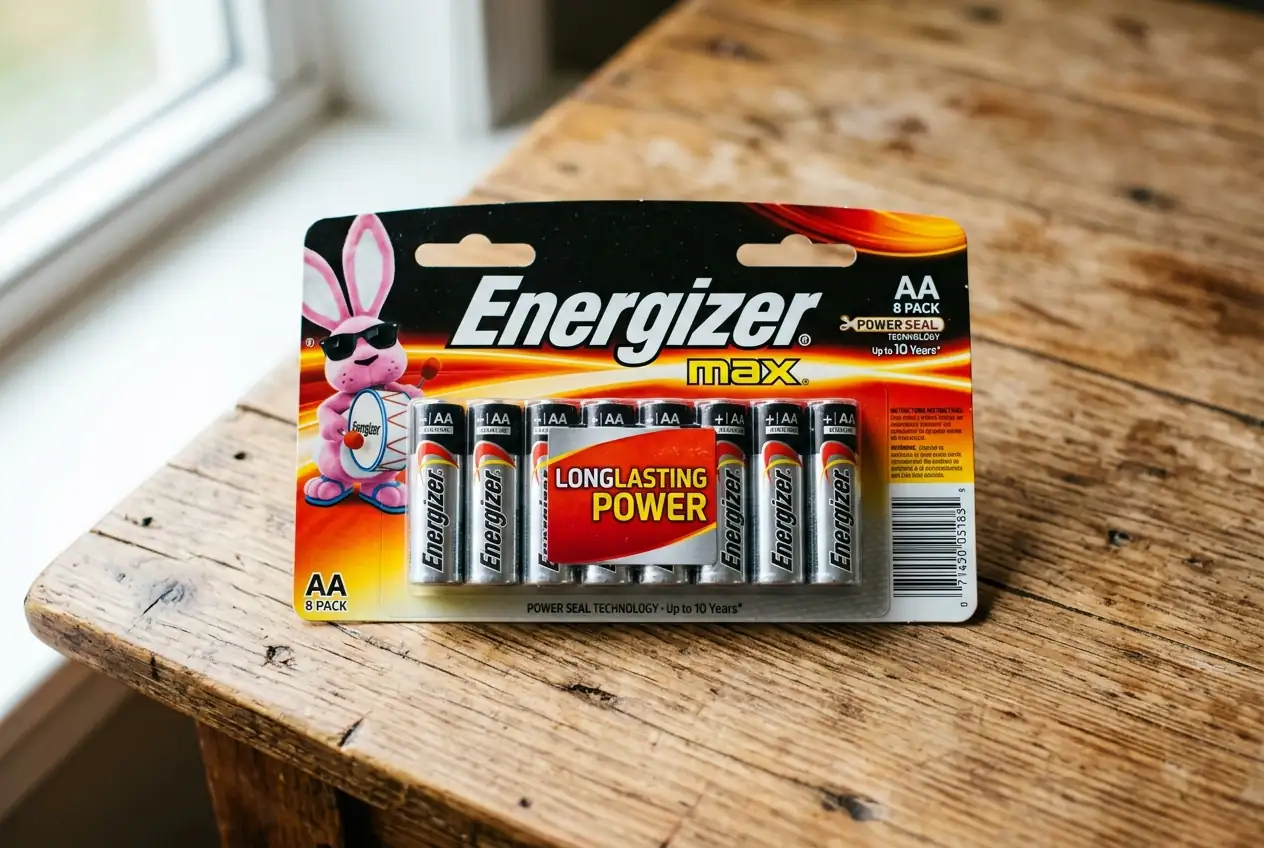
Shares of Energizer Holdings jumped 8.3% to $22.87 ahead of the company's fiscal third-quarter 2026 earnings report, as investors bet that the consumer battery maker will deliver results strong enough to justify a stock that has struggled over the past year. Energizer Pops 8% on Pre-Earnings Optimism, but Can Margin Recovery Outrun a $3.3 Billion Debt Load?
Shares of Energizer Holdings surged 8.3% to $22.87 as investors piled in ahead of the company's fiscal third-quarter results, released before the open on August 4. The rally reflected bets that the battery maker's cost-cutting program could deliver a profit rebound — but the actual numbers told a more complicated story, and the question now is whether the stock's momentum can survive the fine print.
• The Earnings Miss That Didn't Kill the Rally
Adjusted earnings came in at $0.75 per share, well below the $0.86 Wall Street expected.
Revenue of $734.1 million also fell short of the $737.3 million consensus. Yet the stock held its gains, suggesting investors were looking past the headline miss toward the fourth quarter. Management guided Q4 adjusted EPS to $1.25–$1.35, implying roughly 25% growth over the prior year. The market is essentially pricing in a strong finish, not the stumble just reported.
• Shoppers Are Pulling Back, and That's Energizer's Biggest Problem
The company cut its full-year organic sales outlook, now expecting a low-single-digit decline instead of the roughly flat performance it had previously forecast.
Management blamed a 200-to-300-basis-point softening in the battery category — meaning consumers are buying fewer batteries and trading down to cheaper options.
Critically, guidance assumes no improvement in consumer spending, signaling management sees this weakness as persistent, not temporary.
• Cost Cuts Are Working, but the Margin Picture Is Messy
Gross margin improved by more than 430 basis points from Q1 levels, with Q4 margins expected above 40%. That recovery stems from Energizer's internal cost-reduction program, which has streamlined supply chains and sourcing. However, adjusted gross margin still fell 560 basis points year-over-year to 39.2% , partly because last year's results were inflated by one-time production credits. Investors need to distinguish real operational improvement from easier comparisons.
• A Mountain of Debt Leaves Little Room for Error
Total debt sits at roughly $3.34 billion, and quarterly interest expense of $39.7 million nearly equaled the quarter's $39.9 million in net income.
Debt reduction remains the top capital priority, with over $80 million paid down so far and a target of $150–$200 million for the full year. But with interest consuming virtually every dollar of profit, even modest execution shortfalls in Q4 could squeeze shareholders hard. At $22.87, the stock is pricing in a recovery that hasn't fully arrived.