
Shares of Philip Morris International slid 4.8% to $181.82 on July 23–24, erasing gains from a quarter that, on paper, was the company's best ever. Adjusted EPS of $2.20 beat forecasts by $0.15, while revenue hit $11.19 billion, exceeding predictions by $550 million. But investors looked past the headline beat and focused on what's coming next — and they didn't like what they saw.
A Record Quarter Masked by Spending That Got Pushed Forward. Selling and administrative expenses came in lower than expected in Q2 due to timing, providing a temporary margin boost.
The remaining earnings outperformance came from spending timing and cigarette volumes — certain commercial expenses scheduled for Q2 will now move to Q3. In other words, part of the "beat" was borrowed from future quarters, and the market priced that in immediately.
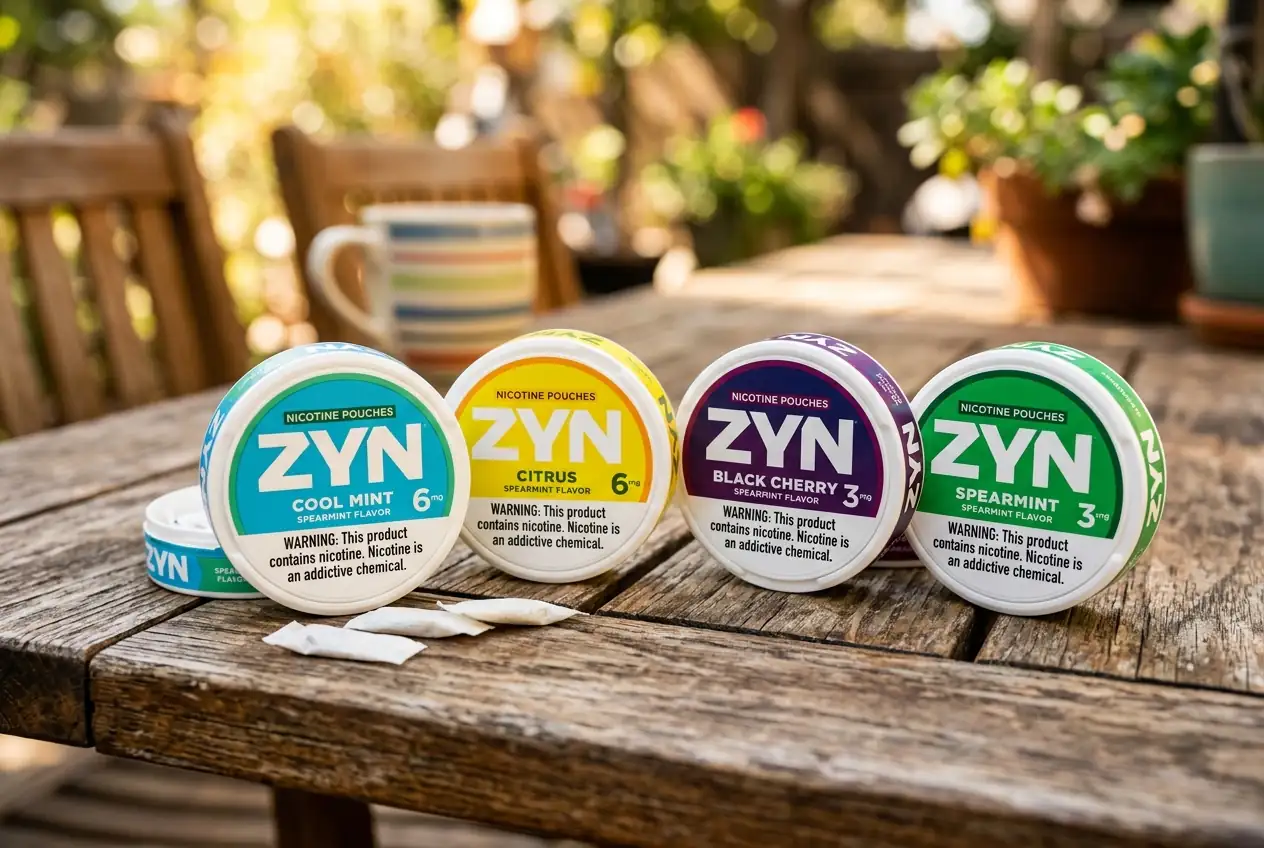
Third-Quarter Guidance Landed Well Below Wall Street Hopes. Management guided Q3 adjusted EPS to $2.20–$2.25, versus an expected $2.42 — a roughly 8% miss at the midpoint. The company expects higher overhead costs in the second half due to increased U.S. growth investments , particularly behind its nicotine-pouch brand and a planned launch of its heated-tobacco device. Full-year adjusted EPS was trimmed to $8.26–$8.41, down from the prior $8.36–$8.51 range.
A $511 Million Write-Down on a Dying Canadian Business. PMI recorded a $511 million non-cash impairment on its Canadian affiliate Rothmans, Benson & Hedges, leaving a remaining carrying value of just $51 million. The charge alone shaved $0.33 off reported EPS. While non-cash and non-recurring, it underscores how fast traditional cigarette markets in developed economies are deteriorating.
The Smoke-Free Story Remains Intact — But It's Getting More Expensive. Smoke-free products accounted for roughly 42% of Q2 net revenues , and organic operating income grew 11%. Yet new lower-priced nicotine pouch products risk cannibalizing premium lines and diluting the brand's historic pricing power.
A broader risk-off day — driven by surging oil prices and AI-spending fears — compounded the selling.
The bottom line: Philip Morris is spending aggressively to win the U.S. smoke-free race, and that bet is temporarily squeezing the earnings trajectory investors had penciled in. UBS raised its price target to $182 but kept a Neutral rating — essentially saying the stock is now fairly priced for the risk. Whether management's investment spree delivers durable growth or just delays profit will define PM's next chapter.