
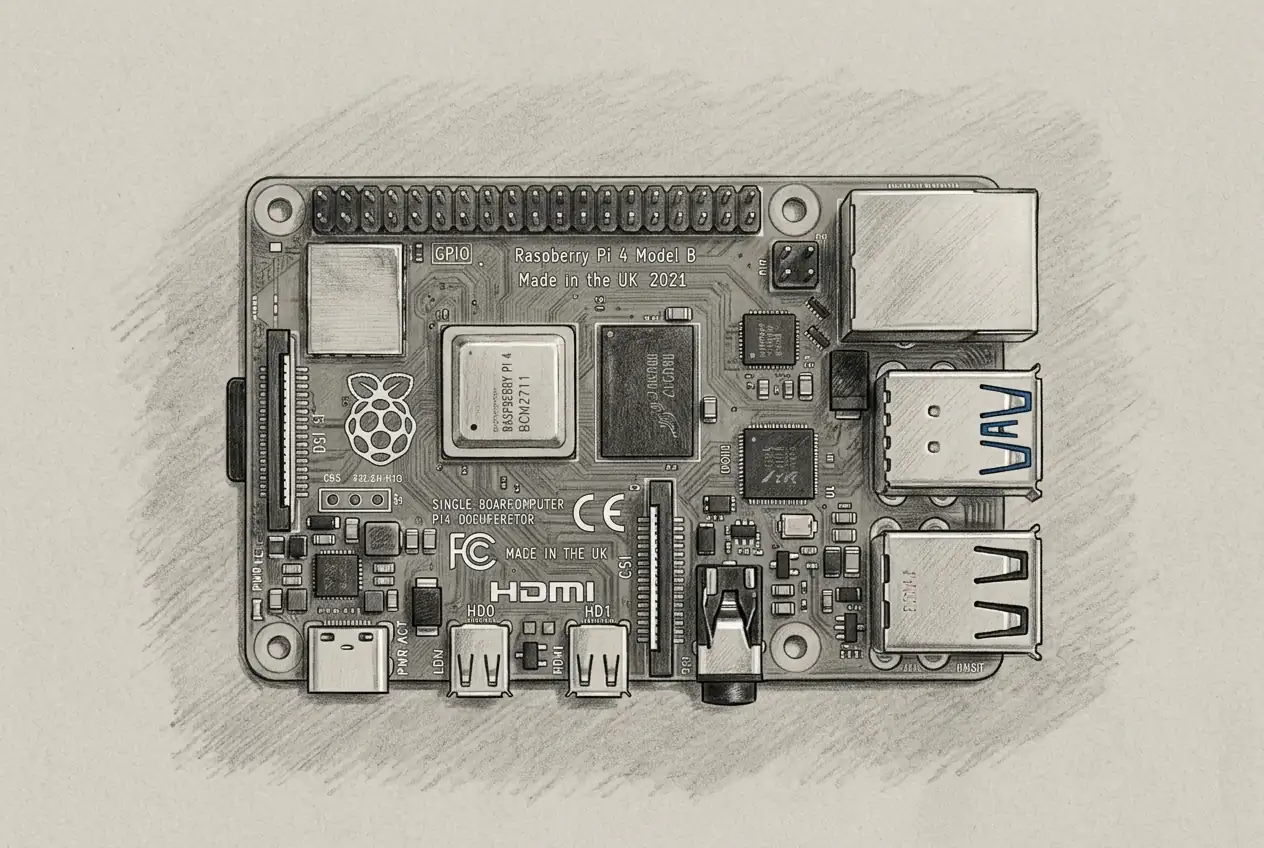
Shares in Raspberry Pi Holdings rocketed as much as 26% in London trading on Friday after the Cambridge-based maker of low-cost computing boards told investors its 2026 profits will blow past Wall Street expectations — a rare feat for a UK-listed hardware company. The question now: how much of this windfall is structural, and how much is a one-off inventory trick?
• First-Half Profits Nearly Doubled, Dwarfing Analyst Forecasts
Raspberry Pi guided first-half adjusted EBITDA — essentially operating profit before accounting charges — to at least $38 million, nearly doubling from $19.4 million a year earlier.
The company noted the full-year analyst consensus sat at just $42 million , meaning the first half alone will nearly match what the market expected for the entire year. That gap between guidance and consensus is what triggered the stampede.
• Cheap Memory Chips Bought Last Year Are Juicing Margins
The outperformance was driven by a favourable product mix and the drawdown of low-cost DRAM — a type of computer memory chip — that Raspberry Pi stockpiled during 2025 before prices rose.
Memory prices for roughly two-thirds of Raspberry Pi's product range have risen approximately sevenfold over the past 12 months. Buying cheap and selling at today's elevated prices is delivering fat margins — but those legacy inventories will eventually run out.
• Demand Held Up Despite Price Hikes of Up to 50%
The company said it had seen robust demand from original equipment manufacturers and other customers despite DRAM-related price increases.
Unit shipments are expected to top 4 million in the first half, up from 3.6 million a year prior. That pricing power matters: it suggests industrial and educational buyers need these boards enough to absorb sharp cost increases.
• The Stock Has Outrun Analysts — and the Second Half Remains Murky
Shares have risen roughly 42% since mid-May, when they traded near 673p.
Yet the analyst consensus price target sits at just 476p — less than half the current price. Management itself has warned that visibility in the second half remains limited by the DRAM supply environment. If memory costs keep climbing and the cheap inventory runs dry, margins could compress sharply, testing whether today's valuation has priced in perfection.