
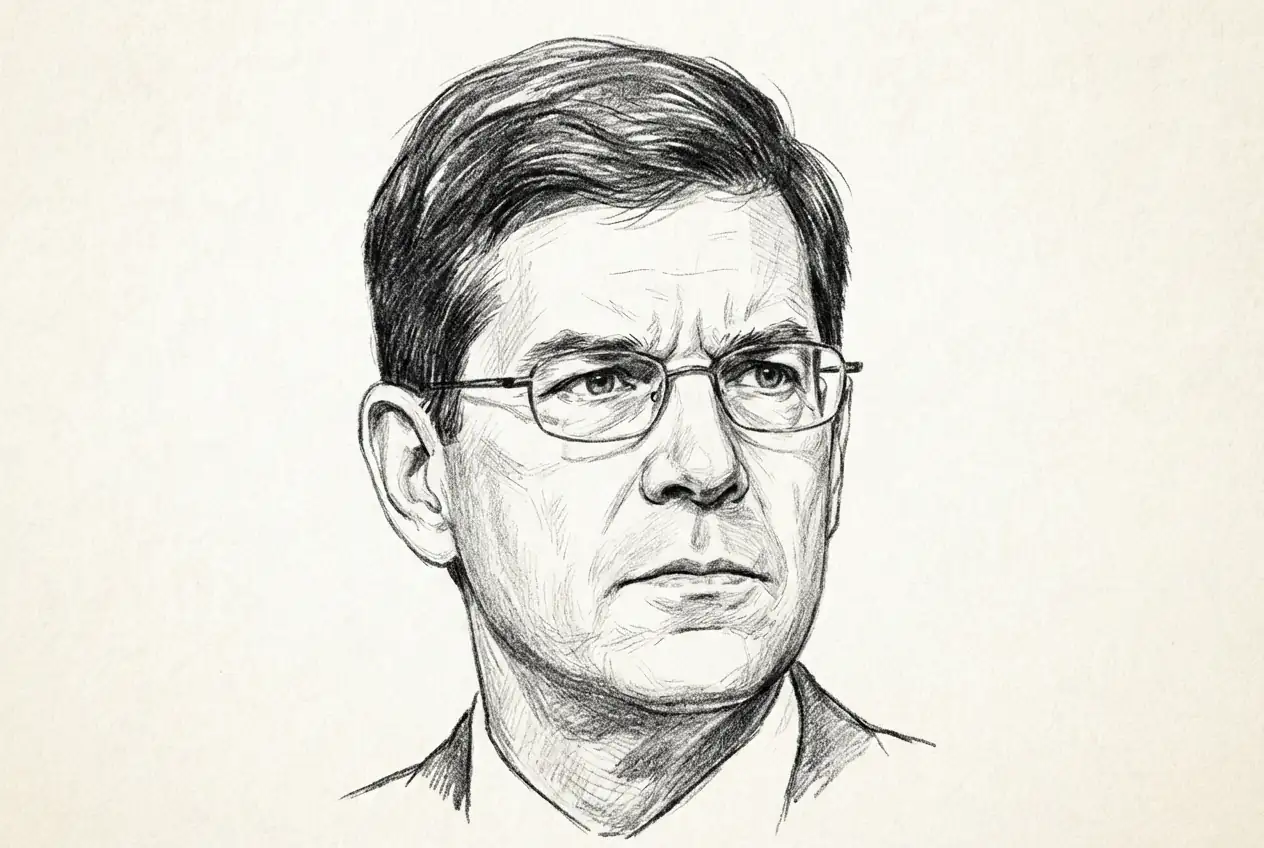
Shares of the iShares Silver Trust tumbled 6.3% to $70.77 in pre-market trading on May 15, 2026, as investors dumped non-yielding assets ahead of Kevin Warsh's first day as Federal Reserve Chair — a leadership change widely expected to usher in a more aggressive stance on inflation. Silver Sinks on Warsh's First Day at the Fed — Is the Metal's Post-Rally Reckoning Just Beginning?
Shares of the iShares Silver Trust cratered 6.3% to $70.77 in pre-market trading as Kevin Warsh officially assumed the Federal Reserve chairmanship on May 15, 2026. The selloff signals a stark repricing: investors are fleeing assets like silver that pay no interest or dividends, betting that the new Fed chief will keep borrowing costs high — or raise them — to fight an inflation surge that shows no signs of fading.
A New Fed Boss Walks Into an Inflation Fire. Warsh takes over the central bank at a time when President Trump is pushing for lower interest rates even as fresh inflation data complicates the case for cuts.
U.S. inflation accelerated to 3.8% in April 2026, the highest since May 2023 , with energy prices accounting for more than 40% of the headline gain. When interest rates stay elevated, holding silver — which generates zero income — becomes expensive relative to bonds or savings accounts. That math is driving today's selloff.
Rate-Cut Hopes Have Evaporated. As of May 14, investors predicted rates would largely remain steady through year-end, with less than 3% believing there will be a rate cut at any remaining meeting this year.
Markets have priced in a near 30% chance of a rate hike by December. For SLV holders, this is the worst-case backdrop: higher-for-longer rates crush the appeal of non-yielding metals while strengthening the dollar, which makes silver more expensive for overseas buyers.
Silver Was Already Vulnerable After a Huge Run. Silver hit an all-time high of $121.64 on January 29, 2026,
then spent February and March giving most of that back, consolidating between $70 and $80 through April.
HSBC expects silver to average $75/oz in 2026 and set a year-end target of just $70 — essentially where SLV trades today. The structural supply deficit — a projected sixth consecutive annual shortfall of roughly 46 million ounces — offers a floor, but it cannot offset the monetary headwinds alone.
The Iran Wild Card Cuts Both Ways. Oil is running above $100 a barrel and gasoline averages $4.50 nationally , fueling the very inflation that keeps rates high. Paradoxically, while geopolitical fear sometimes lifts precious metals, silver is currently trading as an industrial metal, not a safe haven , meaning it gets the pain of tighter policy without the full benefit of crisis-driven buying.
Bottom line: SLV is caught between collapsing rate-cut expectations and a Fed leader under political pressure to ease but boxed in by 3.8% inflation. Until energy prices cool or Warsh signals a clear dovish pivot, silver faces a ceiling — not a springboard.