
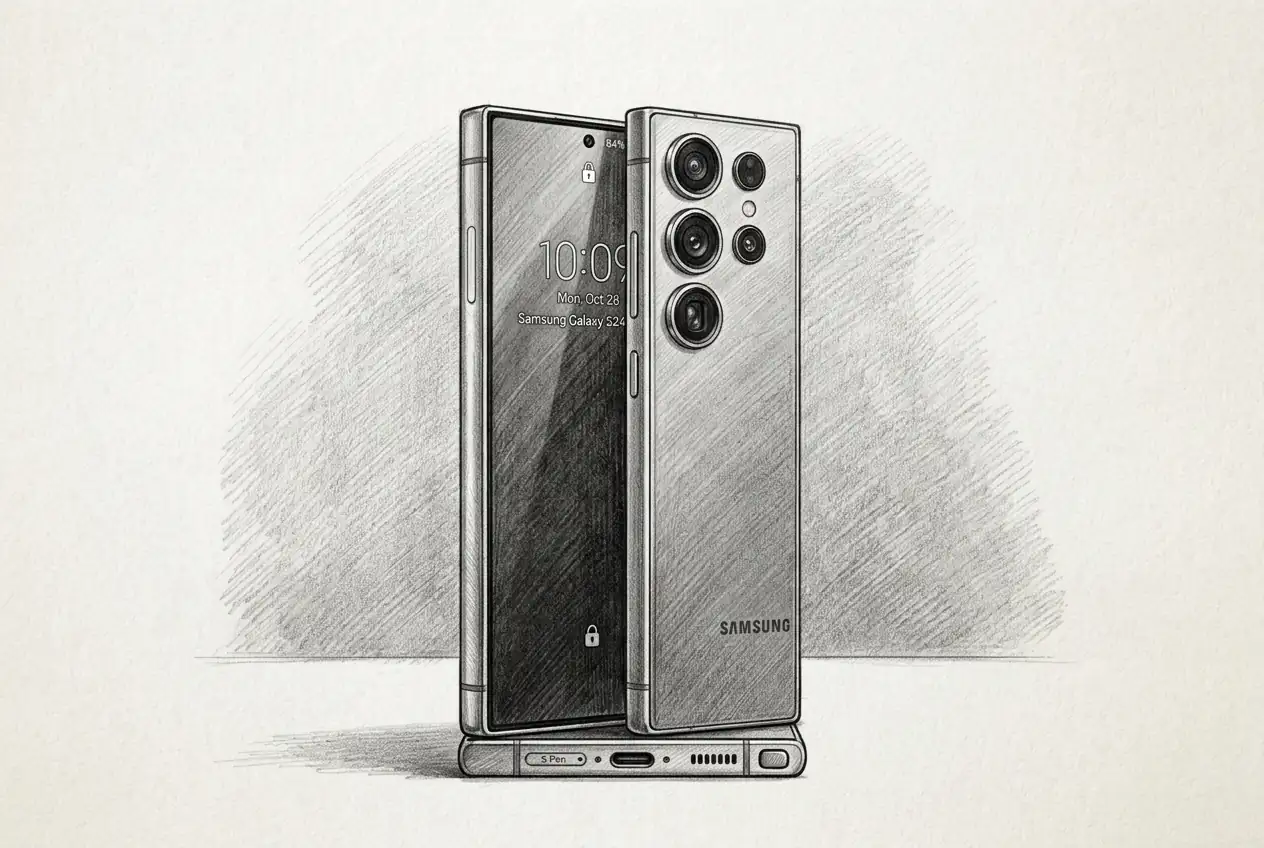
Shares of Samsung Electronics surged roughly 7% over the past week to $6,010, as two catalysts converged: reports of aggressive pricing on its next-generation memory chips and a sweeping plan to reshape its consumer-electronics division around higher-margin products. Samsung's AI Chip Pricing Power Meets a Consumer-Electronics Makeover — Is This a Turning Point or a Sugar High?
Shares of Samsung Electronics climbed 7% over five trading sessions to $6,010 as two powerful narratives merged: blockbuster pricing on its latest AI memory chips and a decisive plan to gut low-margin consumer products. The question for investors is whether improved chip economics and a leaner gadget business can sustain the rally — or whether execution risks will reassert themselves.
$700-a-Chip Pricing Tells You AI Demand Still Outstrips Supply
Samsung is seeking to price its next-generation high-bandwidth memory chip at about $700 per unit, roughly 20%–30% higher than the prior generation, reflecting greater pricing leverage in a still-scarce AI memory market.
Bloomberg Intelligence estimates that price point would deliver an operating profit margin of 50%–60%. That matters because memory is Samsung's biggest profit engine: the chip division posted KRW 16.4 trillion in operating profit in Q4 2025 alone. If $700 sticks across volume shipments, it could meaningfully widen the gap between Samsung's chip earnings and its weaker consumer segments.
Rival Pricing May Follow, Lifting the Whole Sector
SK Hynix reportedly locked in a lower mid-$500s price per chip with Nvidia last August, but may now move to match Samsung's higher level.
SK Hynix also gained on the news — a sign the market sees the pricing shift as a win for the broader memory sector, not just Samsung. For Samsung shareholders, the implication is that the rising tide in chip pricing is structural, not a one-off negotiation win.
A Painful Consumer Division Is Getting Stripped for Parts
Samsung is halting TV and home appliance sales in mainland China, outsourcing low-value-added products, and reorganizing its portfolio around premium lines after the DX division's Q1 2026 operating profit fell 36% year-over-year to KRW 3 trillion.
This signals Samsung intends to break from its past as a hardware manufacturer and shift toward software, services, and new businesses. Exiting low-end appliances frees capital but also concedes volume in markets where Chinese rivals already dominate on price.
Execution Is the Open Question
Samsung still trails SK Hynix in AI memory market share and is working to finalize Nvidia supply deals to capture more than 30% of HBM4 orders for 2026. Meanwhile, the DX overhaul is early-stage. The stock's recent sprint prices in optimism; delivering on both fronts simultaneously — chip volume and a consumer-business turnaround — is what will determine whether the rally holds.